Ted Galdi: Bestselling Author
  • Home
  • About
    • Mailing List
    • Bio
    • Contact
    • Awards
    • Interviews
  • Books
    • Novels >
      • The Cassandra Trap
      • Black Quiet
      • Razor Moon
      • Frozen Dream
      • Sky's Shadow
      • Edge of Chaos
      • Lion on Fire
      • An American Cage
      • Elixir
      • Three Thriller Boxset
    • Short Stories >
      • Vandal
      • Shapes of Dark
      • The Split
      • Intrusion
      • Hazel Is Missing
      • A Road to Nowhere
      • Chasing Dawn
  • Learn
    • Consultations
    • Guides
    • Courses
  • Blog

Paid Traffic

11/29/2023

1 Comment


Paid Traffic - How To Boost Online Sales


Are you hoping to increase online sales for your business? Paid traffic - ie, online ads - is a powerful tool. Unlike organic traffic, which can take several months to kick in, paid traffic can start working the day you turn it on. However, unless you know how to properly use paid traffic within a broader marketing funnel, you're at risk of spending a lot of money, without getting sales in return. In this article, I give you tips on how to run paid traffic for strong results.   

Paid traffic - Ted Galdi

What is paid traffic?


Paid traffic is the visits a business's website receives from online advertisements the business has purchased on other websites. For example, if a business buys an ad on Facebook, when users click it and land on the business's website, the visits would be considered paid traffic.  

What is the difference between paid and organic traffic?


​Organic traffic is the visits a website receives that did not directly come from advertisements. For example, if a business sends a website link to its email subscribers, when people click the link and land on the website, the visits would be considered organic traffic. 

Paid and organic traffic - examples


Paid traffic examples

Website visits from these sources, among others, would be considered paid traffic:
​
  • Facebook ads. Images or video, with supporting text and CTA buttons, that appear within targeted users' Facebook feeds. 
 
  • Google ads. Text and links that appear above search results when users input targeted keywords.
 
  • Instagram ads. Similar to Facebook ads, yet on Instagram.
 
  • YouTube ads. An additional video that plays before users get to an organic, targeted video, with a link to an external site.  
 
  • TikTok ads. Videos that play within the feeds of targeted users, with a link to an external site.
 
  • LinkedIn ads. Similar to Facebook ads, yet on LinkedIn.
 
  • Banner ads on a website. Image-based ads that appear on targeted websites, which direct to external sites if clicked. 
 
  • Video ads on a website. Similar to banner ads, yet video-based vs. image-based.
 
  • Native ads on a website. Headlines and thumbnail images for external articles that appear similar to article previews on the site where the ad is running. 
 
  • Sponsored newsletter links. Links a brand pays to have included in the email newsletter of another brand.


Organic traffic examples

Website visits from these sources, among others, would be considered organic traffic:
​
  • Facebook posts. A post, with a link to an external site, on a brand's Facebook page.
 
  • Google search results. A website's article featured in Google's organic search results for a relevant keyword.
 
  • LinkedIn posts. Similar to Facebook posts, but on LinkedIn.
 
  • X posts. Similar to Facebook posts, but on X.
 
  • Instagram Stories. An Instagram Story with an added URL, from a brand's account.
 
  • Pinterest Pins. A Pinterest Pin with an added URL, from a brand's account.
 
  • TikTok bio links. A link to a brand's website in its TikTok bio.
 
  • Non-sponsored links within emails. A URL sent to a brand's email-list subscribers.
​
  • YouTube descriptions. A link in the description of a YouTube video a brand posts.

Paid vs. organic traffic - which is better?


​Neither traffic source is purely "better" than the other. Many successful businesses leverage both paid and organic traffic together, to serve specific purposes within their broader funnel strategy.

​For example, a business may use paid traffic to generate leads, then email those leads links to blog articles for several weeks, creating a steady flow of organic traffic. 

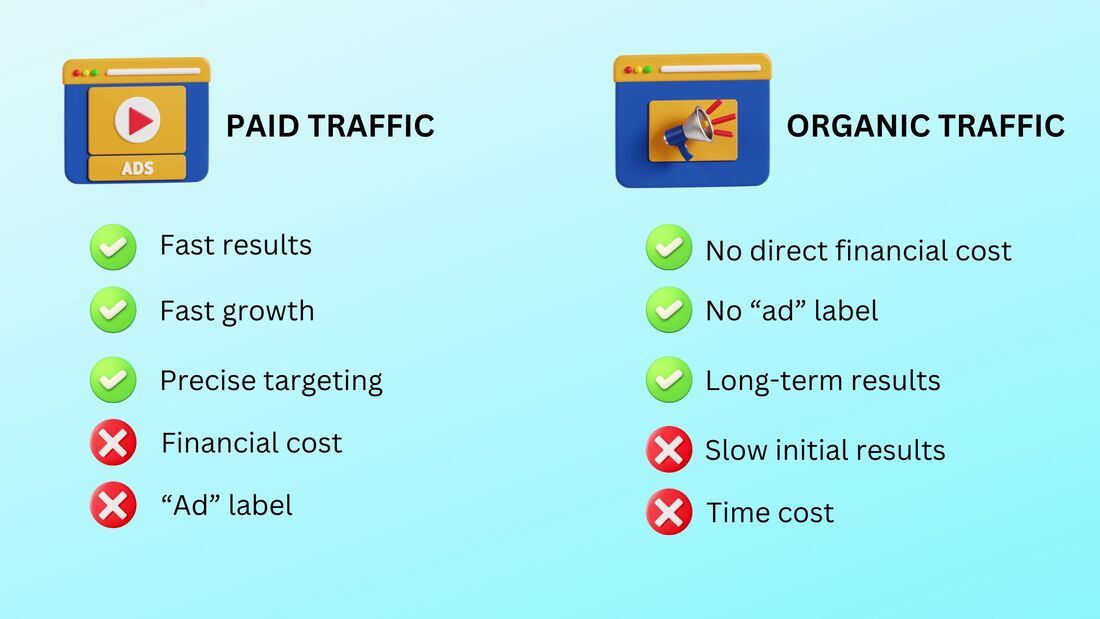
Paid and organic traffic each have pros and cons:
​

Paid traffic - pros

  • You can start getting visits immediately
 
  • You can increase your visit count quickly by simply upping your budget
​
  • You can tailor the sort of traffic you receive by specifying various demographic and behavioral conditions

​
Paid traffic - cons

  • Ads cost money
 
  • Your content is labeled as an "advertisement," which may deter people from clicking on it 


​Organic traffic - pros

  • The visits don't have any direct financial cost
 
  • Your content is not labeled as an "advertisement," which may encourage people to click it
 
  • Your content can generate traffic long after it's been created, with no additional time or money investment 
​
​
Organic traffic - cons

  • Though visits don't have any direct financial cost, you may have to invest a significant amount of time into creating content that drives those visits, such as blog posts and videos
 
  • Even if you create great organic content, several months may pass before it gains enough traction with social media and/or search engines to generate a strong stream of visits  
Pros and Cons - Paid Traffic vs Organic Traffic

How much do online ads cost?


​Not all paid traffic costs the same, or is it paid for the same way. Different advertising sources have different rates and charge models. 

What determines ad rates?


Some key factors that ad rates are based on:

  • Platform demand. How many other advertisers want to buy digital space on a platform? Platforms in higher demand tend to have an extensive, proven track record with conversions, ie, many advertisers have already run paid campaigns on these platforms with good return on investment (ROI).
 
  • User-segment demand. What users on the platform would you like to show your ad to, based on demographic and behavioral characteristics? If a lot of other advertisers want to reach this segment, your cost will be higher than advertising to a segment in less demand.
 
  • Ad format. In general, ads that draw a lot of attention to themselves tend to cost more than ads that don't. For example, a small image ad on the sidebar of a website would cost less than a video ad that takes over half a page.  
 
  • Ad relevance. To maintain a good user experience, advertising platforms aim to show ads to users that are relevant. Various algorithmic signals can help tell a platform how relevant your ad is. Rates can go down for relevance, and up for lack of it.

Once you begin running ads, you'll receive a surge of data about their performance. See what's working and what isn't. Shift more of your budget into opportunities with a strong sales/cost ratio. To automate this process, consider the tool Optmyzr. 

How are you charged for ads?


Different platforms charge for ads in different ways. The three major charge models:

  • CPC. This stands for "cost per click." You're charged a rate based on how many times a platform's users click a link that's part of your ad. If your ad is seen by many people, yet none click on it, you won't be charged anything. However, if your ad is clicked on by many people, yet none buy a product from your site, you'll still be charged for those clicks.
 
  • CPM. This stands for "cost per mille," which refers to cost per thousand views (also called impressions). You're charged a rate based on how many times your ad is seen by a platform's users. If your ad is seen by many people, yet none click on it, you'll still be charged for those views. However, if your ad is clicked on by many people, you will not be charged any additional cost for those clicks.
 
  • CPA. This stands for "cost per action." You're charged a rate each time someone visits your site, after clicking an ad, and completes a specific action, typically buying a product or filling out a lead form. If your ad receives many impressions and clicks, yet nobody takes the intended action on your site, you won't be charged anything.

How can you boost sales with online ads?


​Before you invest in online ads, you should first map out a funnel strategy for your business. In case you're unaware, a funnel is a series of marketing tactics that turn people who've never heard of your brand into loyal customers...
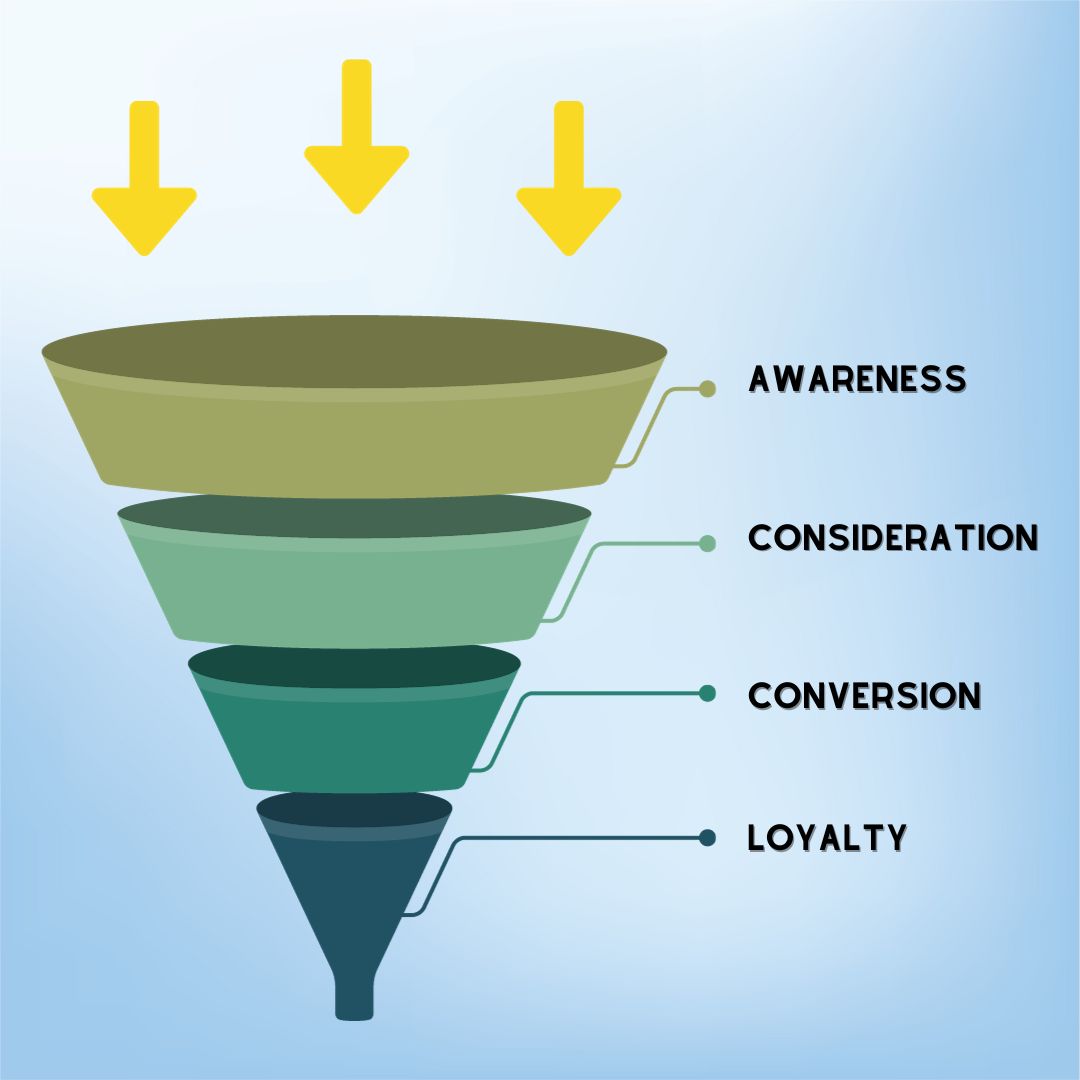
Marketing funnel - diagram

To learn more about marketing funnels, I suggest you take an online course from Skillshare.

Paid ads can be effective at all four levels of the funnel. Here's an overview of each level and how paid ads can be leveraged at it:


  • Awareness. At this first level, known as the "top of the funnel," you make people who've never heard of your business aware of it. If you run a business selling online courses that teach people how to play instruments, you can run paid ads on Google for keywords like "learn how to play guitar." On your website, you can give people a free video of you teaching a sample lesson.
 
  • Consideration. Here, at the "middle of the funnel," you make people consider your products for purchase. Facebook allows you to show ads to people who've been on your website, even particular pages of your site. So, all those people who've watched the free video of you giving a sample guitar lesson, can be shown a Facebook ad informing that you offer an entire course on the topic.
 
  • Conversion. We're now at the "bottom of the funnel," where a brand attempts to convert interested prospects into buyers. Anyone who's visited your guitar-course page, yet hasn't purchased it, can be shown a different Facebook ad, announcing a 25%-off coupon for the course, which expires in 48 hours.
 
  • Loyalty. This stage is also part of the bottom of the funnel. Here, customers who are happy with a brand's product will purchase additional ones (and tell their friends/colleagues about them). If you come out with a second course on playing the guitar, you can target a Facebook ad to everyone who's purchased your first, notifying them of the new one.​

Below, find some tips on how to effectively apply paid ads to your funnel to boost sales and generate a great ROI.

1. Know your key funnel financial values
Marketing funnel - financial values

​Are you selling a high-ticket item with many potential customers? If so, you have quite a lot of flexibility for paid ads. Even if you spend a lot of money within the awareness and/or consideration phases of the funnel, as long as you can get a solid amount of customers to convert (ie, make a purchase), your ROI can be positive.

On the other hand, are you selling, for instance, an item that only costs $2, and would only be relevant to 1,000 people? If all of them purchased it, you can make $2,000. Spending $3,000 on paid ads wouldn't make sense, unless you had other items for sale and could tap into repeat purchases in the loyalty phase.

2. Identify your funnel strengths

Marketing funnel - strengths

Are you already thriving at a certain funnel stage? For instance, possibly you have a large social media following and are already driving a ton of awareness about your brand. Investing your advertising budget into awareness ads may not have a large impact on your business.

When you're first starting out - and may not have an enormous budget - you should be selective with your budget.

3. Identify your funnel obstructions

Marketing funnel - obstructions

Are you noticing an obstruction within your marketing funnel? For example, whenever you get people to land on your product pages, you tend to convert a high percentage of them into buyers. However, you're only getting a few dozen people to these pages, every month.

A business like this is solid with conversion, yet lacking with awareness. A paid campaign aimed at driving awareness can make a lot of sense. As more leads enter the top of the funnel, more sales will naturally emerge at the bottom.

4. Choose an effective advertising platform
Paid traffic - platform selection

Once you've identified where in the funnel you want to improve performance via paid ads, you'll need to select a platform to advertise on. Though you can experiment with multiple platforms at once, if you're first starting out, I'd suggest focusing on one at a time.

When picking a platform, consider the following:

  • Segment. Can you use the platform to reach the relevant market segment for your selected funnel stage? For example, Facebook lets you easily advertise to people who've already visited your website, however, other platforms don't.

  • Format. Does the platform offer an advertising format that fits with what you plan to pitch? For instance, if you're selling an online guitar course, a video ad, which can feature a clip with music, can be much more effective than an ad that only contains text. 
 
  • Financials. Does the platform's rates and charge model align with your goal and budget? You may be able to target ideal prospects on a certain platform, however, at an extremely high CPC value, which wouldn't work within your budget. Instead, you can opt for a CPM model on another platform, which may have slightly broader targeting, yet would be viable within your budget.

5. Create a landing page and follow-up sequence
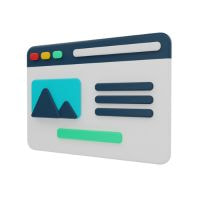
Landing page

In the vast majority of cases, a business shouldn't simply send paid traffic to its home page. Instead, you should create a specialized page, designed to prompt an action that's relevant to the focused-upon funnel stage. These pages are known as landing pages.

For example, with an awareness ad, you'd pay for traffic to your website. Once those visitors arrive, you want to advance them to the next stage of your funnel, consideration. You can of course pay for a consideration ad next, targeted at these visitors. However, by collecting their email addresses, you can avoid this second cost.

​Visitors from your awareness ad can arrive at a landing page, where you offer them something of value for free, in exchange for their email address - this free item is known as a lead magnet. Once you have their email address, you can send them messages - without paying for another ad - that encourage consideration.

You can take advantage of various funnel-builder software tools that let you easily create high-converting landing pages, follow-up pages, and follow-up email sequences.

​FYI, I put together a detailed list of these software systems.

Want to learn more about paid traffic?


I recommend you check out the great online courses from Skillshare.


​This post contains affiliate links.
1 Comment
Synwolf link
1/28/2025 10:04:45 pm

This post on paid traffic to boost sales is really informative! I especially loved the detailed explanation in the content. I truly appreciate the effort made in researching the topic and making it into the content. To add to your point, we’ve also published a blog that is relevant and informative for the users with the title Paid Traffic vs Organic Traffic: Which is Better for Your Business?. You can read more about our findings in this detailed guide:https://synwolf.com/paid-traffic-vs-organic-traffic-which-is-better-for-your-business/

Reply


Leave a Reply.

    Categories

    All
    Characters
    Description
    Dialogue
    Emotional Impact
    Literary Devices
    Marketing
    Plot
    Reading Lists
    Scenes
    Settings
    Software
    Story Structure
    Theme
    Writing Tips

    RSS Feed

Copyright 2025 Ted Galdi
  • Home
  • About
    • Mailing List
    • Bio
    • Contact
    • Awards
    • Interviews
  • Books
    • Novels >
      • The Cassandra Trap
      • Black Quiet
      • Razor Moon
      • Frozen Dream
      • Sky's Shadow
      • Edge of Chaos
      • Lion on Fire
      • An American Cage
      • Elixir
      • Three Thriller Boxset
    • Short Stories >
      • Vandal
      • Shapes of Dark
      • The Split
      • Intrusion
      • Hazel Is Missing
      • A Road to Nowhere
      • Chasing Dawn
  • Learn
    • Consultations
    • Guides
    • Courses
  • Blog